
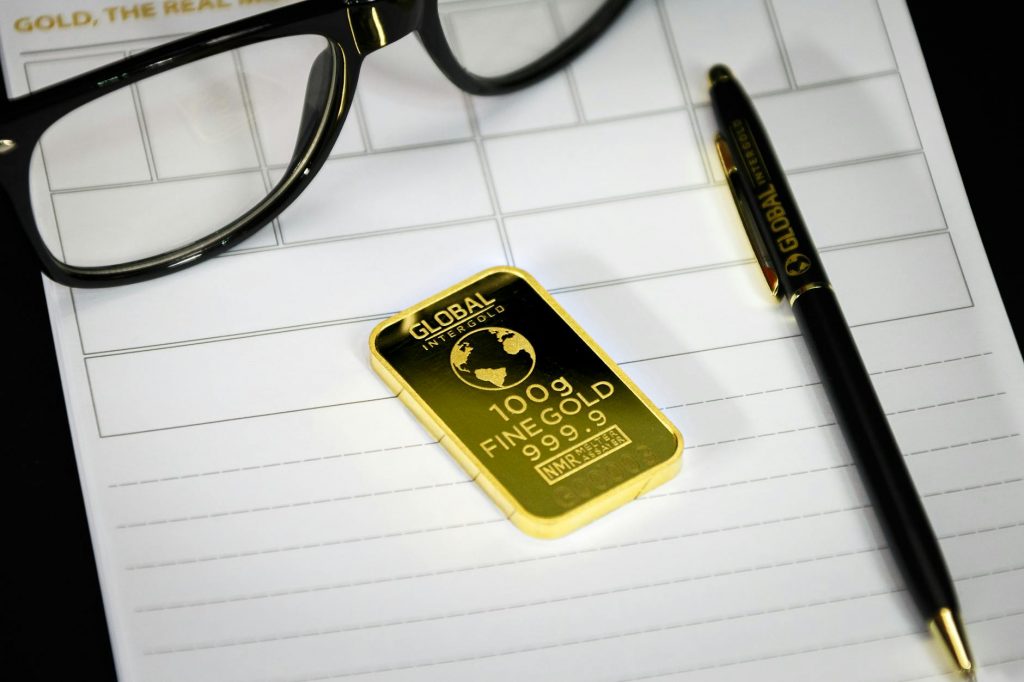

My grandfather handed me a $20 gold piece when I graduated high school, telling me it was “real money.” I sold it a decade later to help with a down payment, and after all that time, it had barely doubled in value. Meanwhile, the few hundred bucks I’d nervously put into an S&P 500 index fund was worth several times more. That was my first real lesson in the gold vs stocks debate.
The long-term numbers aren’t even close. Over the last fifty years, the average annual return for stocks has been around 10%. Gold? It’s managed roughly 7-8%, but with way more gut-wrenching volatility along the way. Compounded over decades, that difference is staggering. A $10,000 investment in stocks in 1980 would be worth well over a million today. That same amount in gold would be sitting at a few hundred thousand. It’s not a minor gap; it’s a canyon.
Gold’s biggest selling point is its role as a hedge against inflation. When people lose faith in paper currency or the economy looks shaky, the price of gold often climbs. I remember during the 2008 financial crisis, watching my stock portfolio get cut in half while gold held firm and then surged. For a moment, I felt like my grandfather was a genius. That feeling didn’t last.
Here’s the genuine frustration: gold pays you absolutely nothing. It just sits there. It doesn’t innovate, hire employees, or develop new products. Its value is purely based on what someone else is willing to pay for it tomorrow. Stocks represent ownership in companies that generate profits, and many of them share those profits with you through dividends. That income stream is a powerful wealth-builder gold can’t replicate. You’re betting on human productivity versus human fear.
Let’s talk about a real limitation of stocks—they can terrify you. The volatility of the stock market is brutal. You’ll watch 20% corrections happen every few years like clockwork. It takes serious nerve to stay invested when the financial news is screaming about a crash. Gold can feel like a safe harbor in those storms, even if that harbor doesn’t actually get you to your destination any faster.
My personal opinion is that most people treat gold all wrong. They buy gold ETFs or gold mining stocks thinking it’s a get-rich-quick scheme. It’s not. If you own any, it should be a small, single-digit percentage of your overall investment portfolio, a kind of insurance policy you hope never pays off. The core of your wealth building should be in productive assets.
I was genuinely surprised digging into the data on gold’s performance during high inflation in the 1970s. Yes, it soared. But so did stocks, eventually, once you account for reinvested dividends. Gold’s reputation as the ultimate inflation shield is a bit oversold. It has long, lonely stretches where it does nothing for years, while the stock market quietly churns out gains.
The real trap is thinking you have to choose one or the other. A smart long-term investment strategy uses both, but in the right proportions. You put the vast majority of your capital into a diversified basket of stocks—through low-cost index funds is the easiest way—and you might keep a 3-5% allocation to gold in something like the SPDR Gold Shares (GLD) ETF for psychological comfort. That tiny slice won’t wreck your returns, but it might help you sleep when headlines get scary.
Forget the shiny allure; the boring, relentless compounding of corporate profits is what actually builds fortunes. The brutal truth is that over a lifetime, choosing gold over stocks isn’t a conservative strategy—it’s a great way to ensure you’ll have less money.