

My own fender bender a few years back taught me more than any pamphlet ever could. I was so rattled I almost forgot to get the other driver’s insurance info. The adrenaline makes you stupid, and that’s exactly what insurance companies bank on.
Call the police, every single time. Even for a minor scrape. I don’t care if the other driver is begging you not to. That official police report is the bedrock of your claim. It creates an unbiased record of the scene when memories are fresh. Without it, you’re just left with your word against theirs, and that’s a losing proposition weeks later when stories change.
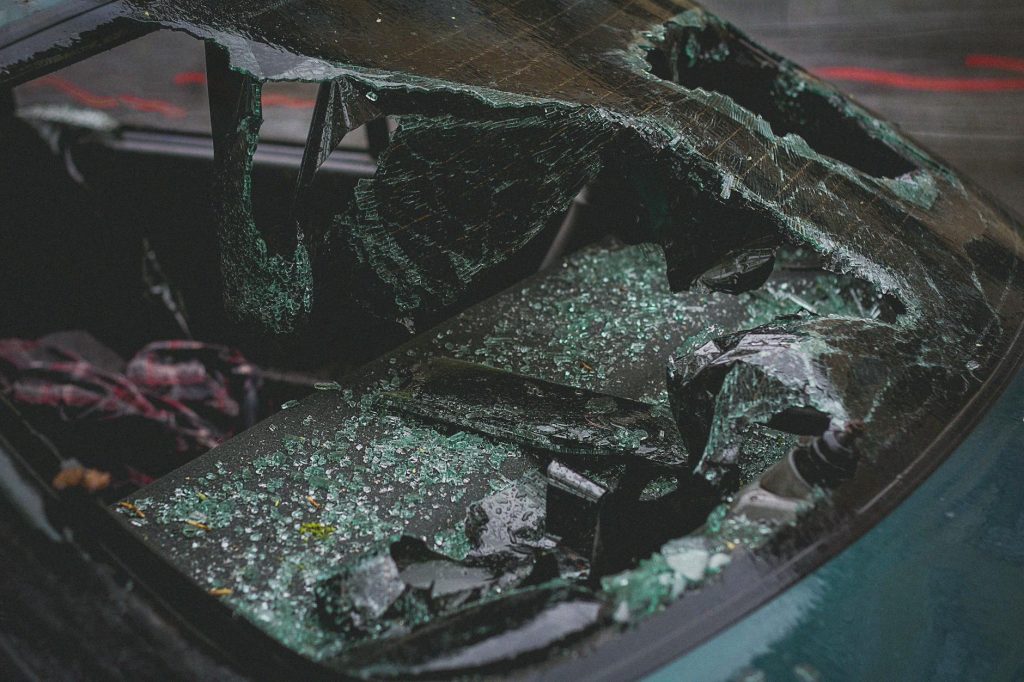
Your phone is your most powerful tool. Take photos and videos from every angle—the vehicles’ positions, all damage, license plates, the entire intersection. Get close-ups of dents and wide shots of the context. Snap a picture of the other driver’s insurance card and driver’s license. Document any skid marks or debris. This visual evidence is irrefutable.
Exchange information is the bare minimum, but go beyond just the insurance details. Get their full name, phone number, and address. Jot down the make, model, and color of their car. This seems obvious, but in the moment, it’s easy to miss a digit on the policy number.
Here’s where people get it wrong: you are under no obligation to give a detailed, fault-admitting statement to the other driver’s insurance company. Be polite, but stick to the basic facts. You can say you were heading north and the collision occurred. Don’t speculate about speed or say “I’m sorry,” which they can twist into an admission. Notify your own insurance company promptly, but let your agent guide the conversation.
The real frustration hits days later with the aches. Seek medical attention immediately, even if you feel “fine.” Some injuries, like whiplash or soft-tissue damage, have delayed symptoms. That medical report directly links your injuries to the accident, which is critical for your personal injury claim. If you wait two weeks, the insurance adjuster will argue you got hurt somewhere else.
Gather witness contact information if anyone stops. An independent account can be the deciding factor in a disputed claim. Get their name and a phone number right there.
I have a strong opinion on this: never accept the first settlement offer from an insurance adjuster. It’s almost always a lowball. They’re testing to see if you’re informed or desperate. That initial check is for the quick closure they want, not the full value you deserve.
The entire claims process is designed to wear you down. You’ll get calls at inconvenient times, requests for the same document sent three different ways, and delays that make you want to scream. They’re hoping you’ll settle for less just to make it stop. This is when consulting a personal injury lawyer becomes worth it, especially for anything beyond a straightforward bumper tap. They work on contingency, meaning they only get paid if you win, and they know how to counter the tactics.
A major limitation of the system is that your payout is often tied to the other driver’s policy limits. If they carry only the state minimum liability coverage and your medical bills are six figures, you could be left holding the bag. Your own underinsured motorist coverage is what protects you here, which is why skimping on it is a terrible gamble.
The most surprising thing I learned? How meticulously everything is tracked. Those “harmless” social media posts of you at a concert a week after the accident? The adjuster will find them and use them to argue your injuries aren’t severe. Go quiet online.
Keep a dedicated journal. Note every doctor’s visit, every missed workday, how the pain affects your sleep or playing with your kids. This personal documentation translates subjective suffering into concrete evidence for pain and suffering damages. A spreadsheet of expenses is cold; a journal entry about missing your kid’s soccer game hits differently.
In the end, the biggest factor in maximizing your payout isn’t a secret trick, but a stubborn refusal to be rushed by a system that profits from your haste.